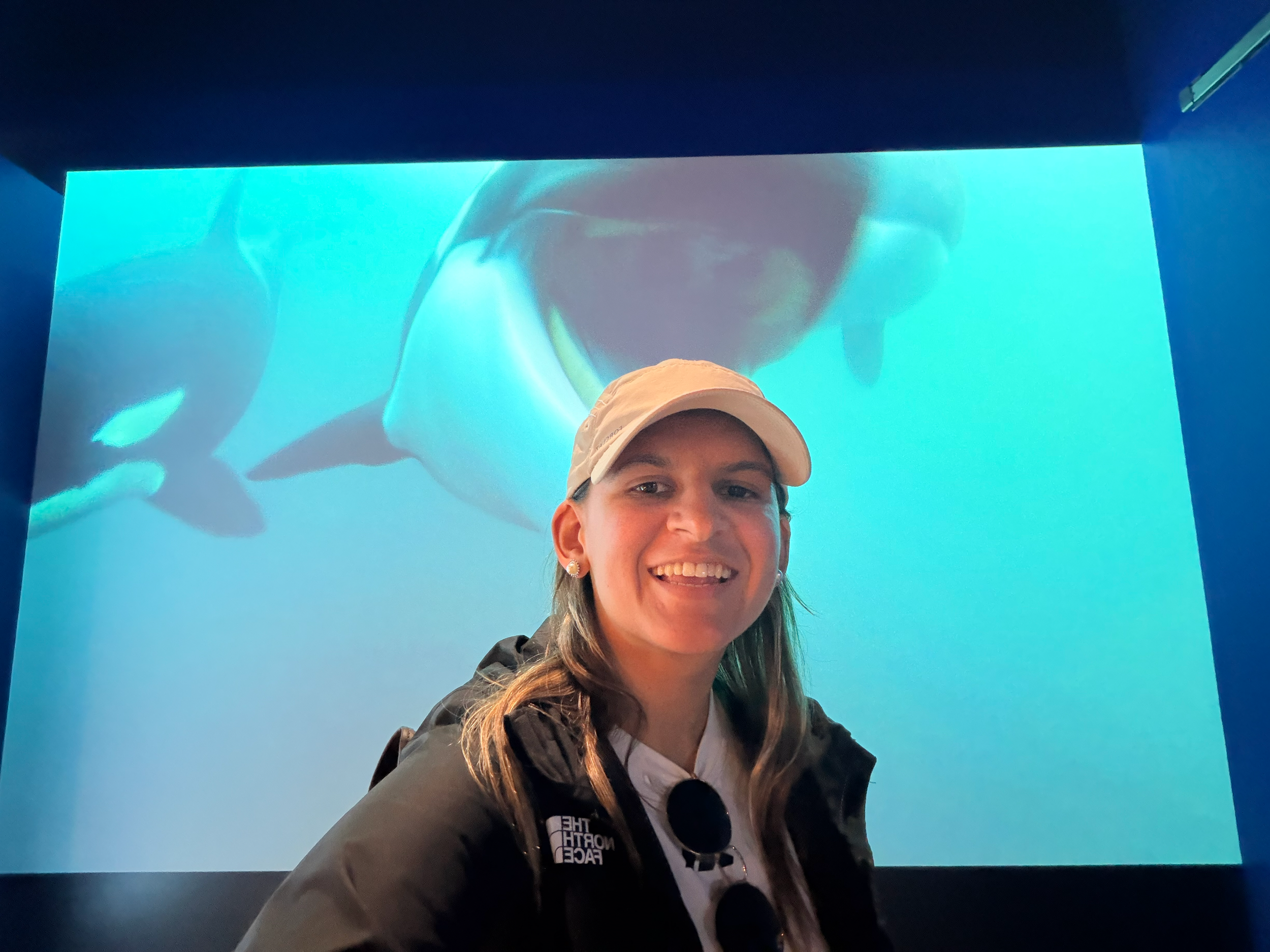
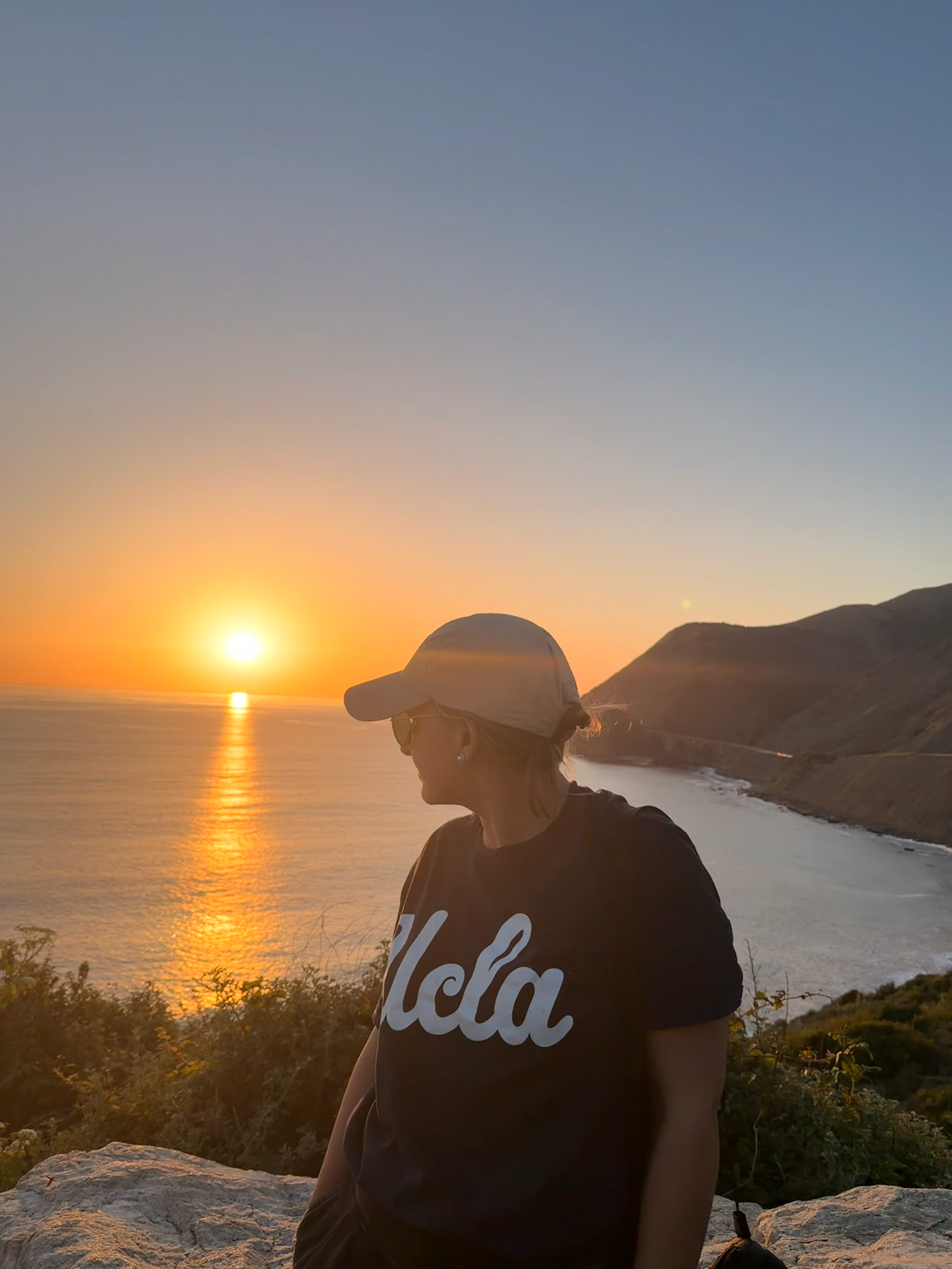
Maria Paula
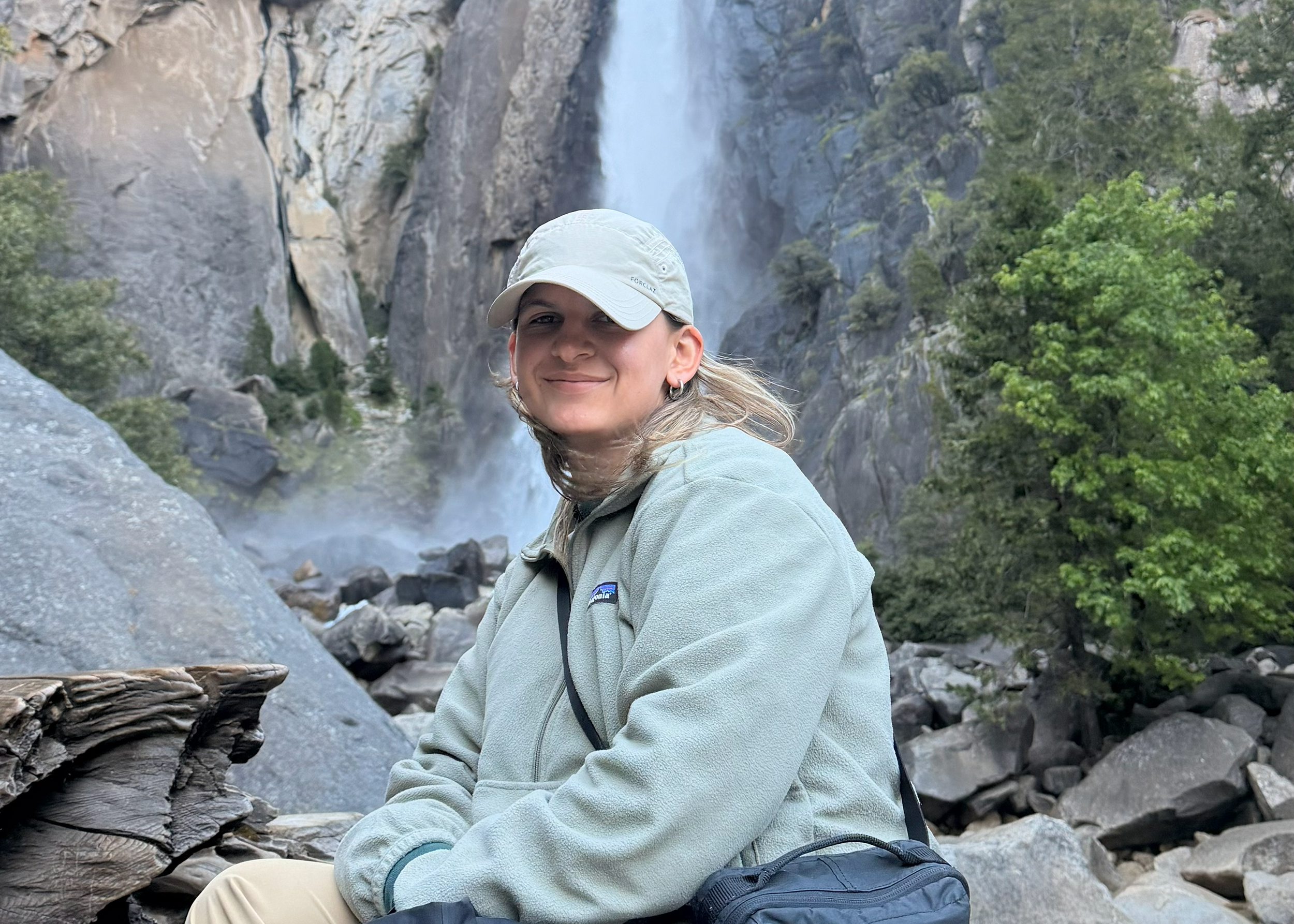
Who are you, and can you tell us about the pro bono project you have been working on?
I am Maria Paula Herrera Duque, a Colombian lawyer, Fulbright Scholar, and UCLA Law LL.M. graduate (Class of 2026) with experience in aviation and sustainable transportation. I also completed the Leaders in Sustainability Graduate Certificate through the UCLA Institute of the Environment and Sustainability.
During my LL.M., I worked on two pro bono projects through The Promise Institute (Europe). The project that most impacted me was Water and Conflict: Transnational Analysis with the UN Special Rapporteur on the Human Right to Water. Through this project, I supported the mandate of the UN Special Rapporteur on the Human Rights to Safe Drinking Water and Sanitation by conducting legal research and drafting a collaborative report examining the relationship between water and conflict under international human rights law and international humanitarian law, with a focus on Yemen.
What first drew you to pro bono work, and what made you want to be involved with this project specifically?
I have always been drawn to international law and the work of the United Nations. During law school in Colombia, I participated in competitions and research projects focused on public and international law, and I have carried that interest throughout my career. At the same time, since 2022 I have remained actively involved in volunteering and pro bono initiatives related to different Sustainable Development Goals. Those experiences showed me the tangible impact that service can have on communities and individuals.
Coming from six years in the private sector, this project offered an opportunity to reconnect with the public-interest dimensions of law and with the role that research and academia can play in shaping international discussions. It also connected closely with my sustainability background. Having worked on environmental and infrastructure-related issues, I understood the importance of water systems for societies. Exploring how conflict affects and may weaponize access to water and sanitation challenged me to view those systems through an entirely different perspective.
Can you share a moment during your work on the project that challenged your perspective on law, justice, or advocacy?
What surprised me most was learning how water and sanitation can become instruments of conflict. Although that idea was central to the project, seeing concrete examples during our researchon Yemen was deeply impactful.
I was particularly struck by the way conflict and climate change reinforce one another. Yemen is among the countries most vulnerable to climate change, and the combined effects of conflict, water scarcity, and desertification continue to threaten food security, public health, women rights, and economic stability. Climate change acts as a risk multiplier, exacerbating existing vulnerabilities and intensifying humanitarian crises. It is worth noting that today Yemen is widely considered a leading candidate to become the first nation to completely run out of usable water, and this would be a result of both conflict and climate change.
This experience reminded me that law remains one of the most powerful tools available to advance justice, protect human rights, and address climate-related challenges. It also renewed my interest in integrating international law and human rights perspectives into my future work.
What skills or insights have you gained through this experience that you feel will stay with you in your future career?
The most important lesson was empathy.
Now more than ever, we need the ability to understand other people's realities, the systems that shape them, and the challenges they face. Meaningful solutions require listening, curiosity, and a willingness to look beyond our own experiences.
Professionally, I strengthened my legal research and analytical skills. The project reinforced the importance of critical thinking and reminded me that effective advocacy begins with a willingness to question assumptions, including our own, and engage seriously with contexts different from ours.
For those graduating this semester: how has working on this project shaped the kind of lawyer or professional you hope to become, and what is next for you after graduation?
This project reinforced my belief that climate change, human rights, and sustainable development cannot be treated as separate issues.
Climate change does not respect political boundaries, and meaningful solutions require more than environmental policies alone. They also require supporting communities, addressing inequalities, promoting peace, and protecting human rights.
As I continue my career, I hope to bring a more interdisciplinary and intersectional approach to climate and sustainability work, integrating human rights and international law perspectives alongside policy and business solutions.
For now, this summer, I will continue as a Research Assistant at the Emmett Institute on Climate Change and the Environment and join the third cohort of Columbia University's Women in Energy Fellowship.
What would you say to other students who are considering joining a pro bono project for the first time?
My wife, who is also a UCLA Law LL.M. graduate, once told me that I am always looking for ways to integrate public service into my life and, importantly, to bring others along with me. I think that observation captures why pro bono work matters.
Pro bono projects allow students to engage in public service not as something separate from their professional development, but as an integral part of it. They create opportunities to learn, contribute, and connect legal education with real-world challenges. They also allow you to meet incredible people and, what is even better, inspire others to join and become part of that impact.
This year, and especially the last few months, have been demanding. Like many people, I have experienced moments of uncertainty, frustration, and exhaustion. Yet some of my most meaningful experiences at UCLA came through service. I was honored to receive the UCLA Chancellor’s Service Award, the U Serve LA LL.M. Student Honoree Award, and the LL.M. High Pro Bono Distinction. Much of that work was made possible through opportunities provided by the Promise Institute. Those experiences showed me how deeply UCLA values service and how many opportunities exist for students who want to make it part of their personal and professional journey.
My advice is simple: join. You may discover new interests, new communities, and new ways of understanding the impact lawyers can have in the world.