Alexandra
Who are you, and can you tell us about the pro bono project you have been working on?
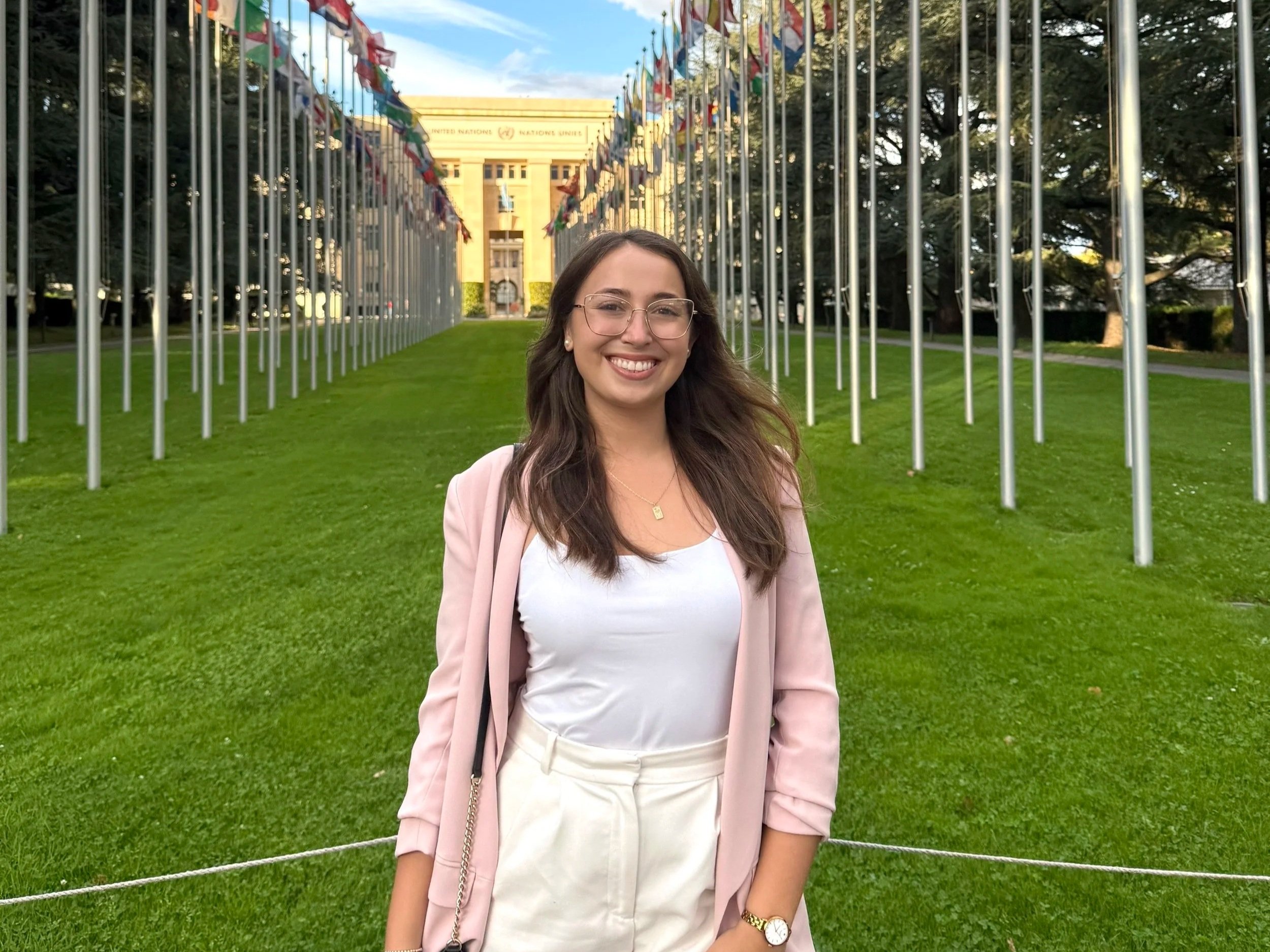
My name is Alexandra Quintana, and I recently graduated with my Juris Doctor from UCLA School of Law, with specializations in International & Comparative Law and Critical Race Studies, and distinction in Pro Bono.
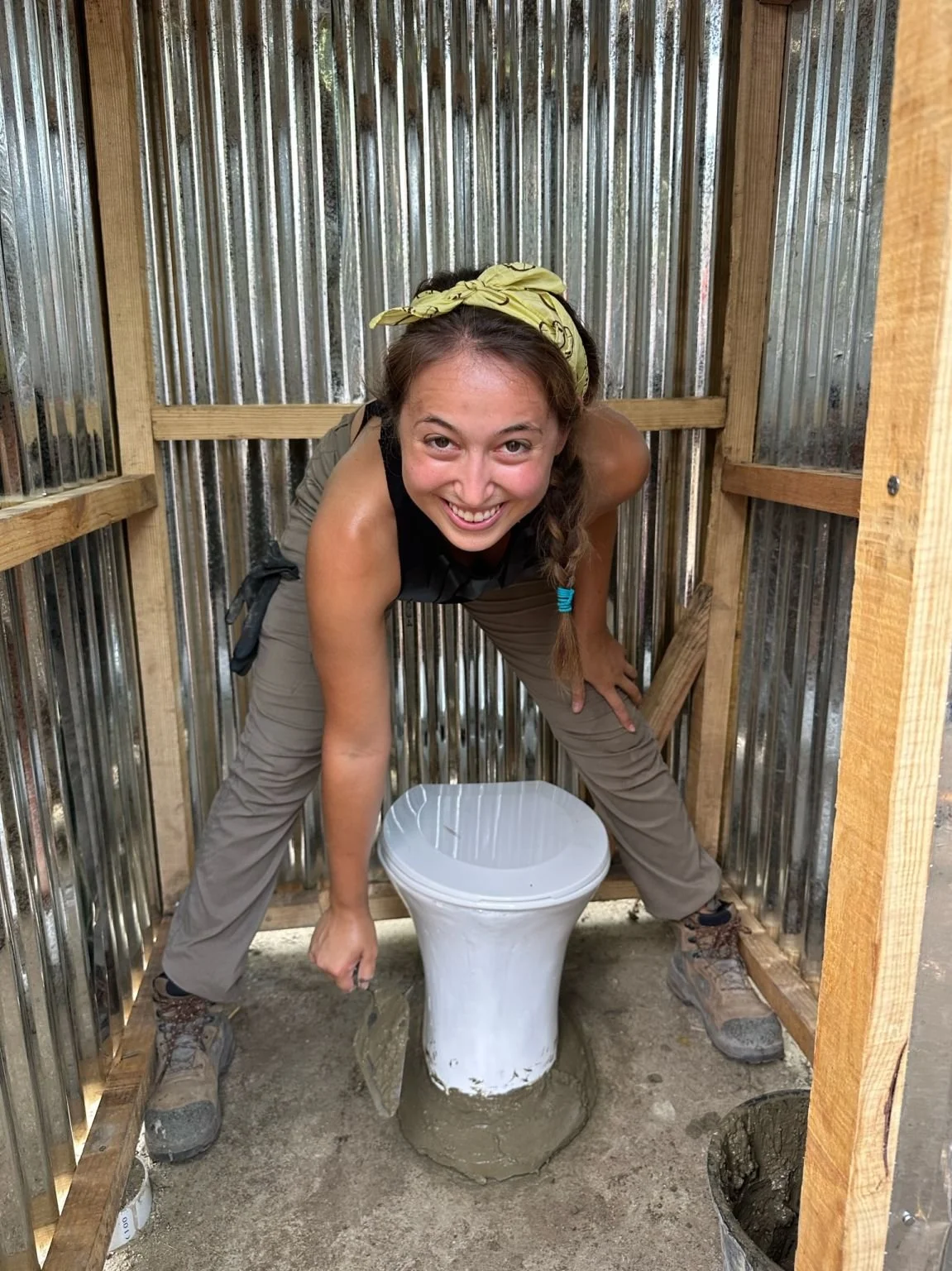
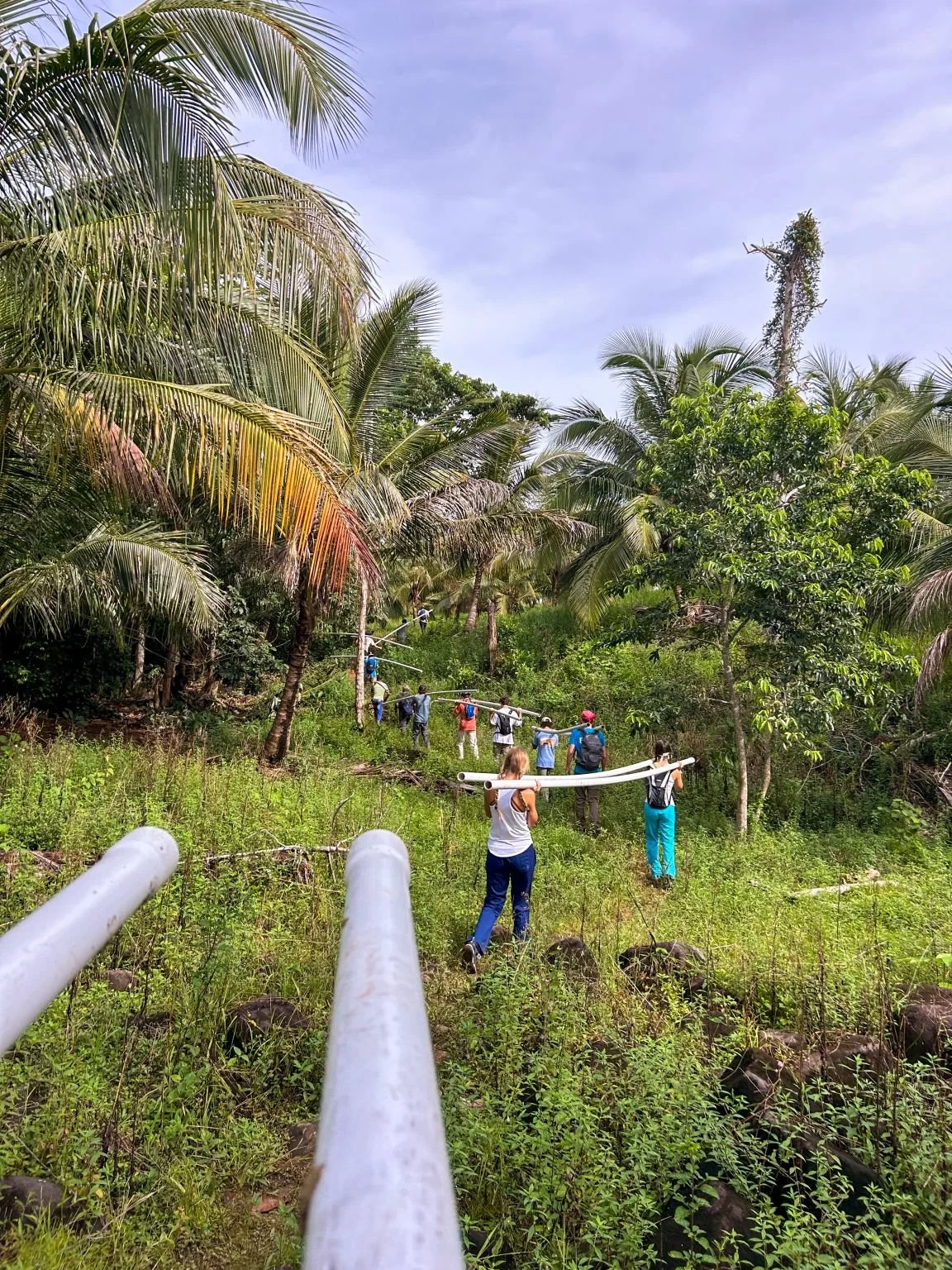
My interest in the global water and sanitation crisis began in 2018 through B.L.U.E. Missions (a water Non-profit), where I volunteered and later led high school students on service trips to the Dominican Republic to help provide sustainable access to clean water and sanitation in under-resourced communities by building aqueducts and latrines.
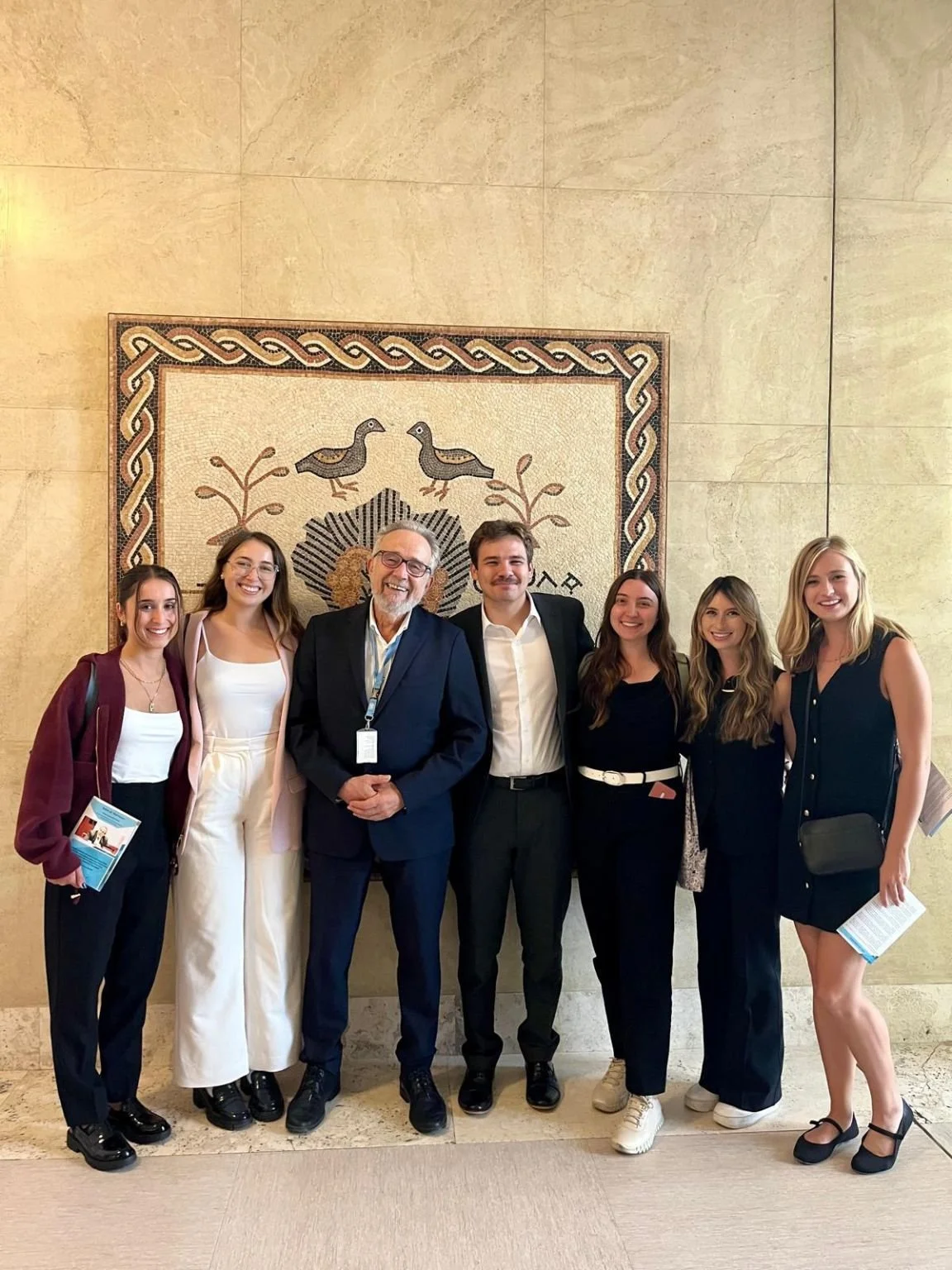
At the United Nations Human Rights Council’s 60th session in Geneva, I met Pedro […Mr. Pedro Arrojo- Agudo, UN Special Rapporteur on the Right to Water and Sanitation] and expressed interest in supporting his mandate on the human rights to safe drinking water and sanitation. That conversation led me to join his pro bono project, where I worked on legal research examining the weaponization of water in armed conflict. That is, when parties attack or disable water installations, damage dams and other works containing dangerous forces, or deliberately deprive civilians of water in ways that may violate international humanitarian law, human rights law, and, in some situations, lead to international criminal law liability.
What first drew you to pro bono work, and what made you want to be involved with this project specifically?
the same basic need I had seen transform communities in the Dominican Republic was being systematically threatened in conflict zones.
Pro bono work has been the throughline that connects my values to my legal training. When I met Pedro in Geneva and learned more about his concerns regarding the use of water and sanitation as tools of war, it immediately resonated with me:
I wanted to be involved in this project because it sits at the intersection of international humanitarian law, human rights law, and accountability, relying on rigorous legal analysis to push back against the weaponization of water and support stronger protections for civilians.
Can you share a moment during your work on the project that challenged your perspective on law, justice, or advocacy?
A defining moment was realizing just how many legal bodies converge on a single glass of water in a conflict setting: rules on starvation of civilians, protections for objects indispensable to survival, heightened safeguards for dams and other dangerous installations, and human rights standards on the rights to life, health, and water all overlap.
Seeing how these norms can either reinforce each other or create gaps (depending on how they are interpreted and enforced) shifted my perspective from viewing this law as a set of silos to understanding it as an interconnected ecosystem. It pushed me to think more creatively about advocacy: how strategic use of multiple bodies of law can help close accountability gaps.
What skills or insights have you gained through this experience that you feel will stay with you in your future career?
This experience deepened my ability to synthesize complex legal frameworks and translate that analysis into clear, accessible language for advocacy and policy audiences. Legal research is not abstract when it is tied to mandates, communities, and crises – it can help build the groundwork for accountability and for a more humane approach to conflict.
How has working on this project shaped the kind of lawyer or professional you hope to become, and what is next for you after graduation?
Working on this project has affirmed my desire to be a lawyer grounded in the lived experiences of the people those laws are meant to protect. It has strengthened my commitment to humanitarian work, like essential services, victims’ rights, customary and informal justice, and post-conflict accountability.
Next, I will return to The Hague, where I will continue to develop my international human rights law and policy work to help build a more equitable and humane world.
What would you say to other students who are considering joining a pro bono project for the first time?
Pro bono work is a way to directly connect with the issues and communities you care about, while gaining experience with real legal questions. It also helps you build upon core litigation and policy skills like research, writing, collaboration, and client-centered lawyering that carry directly into practice.