
Kateryna
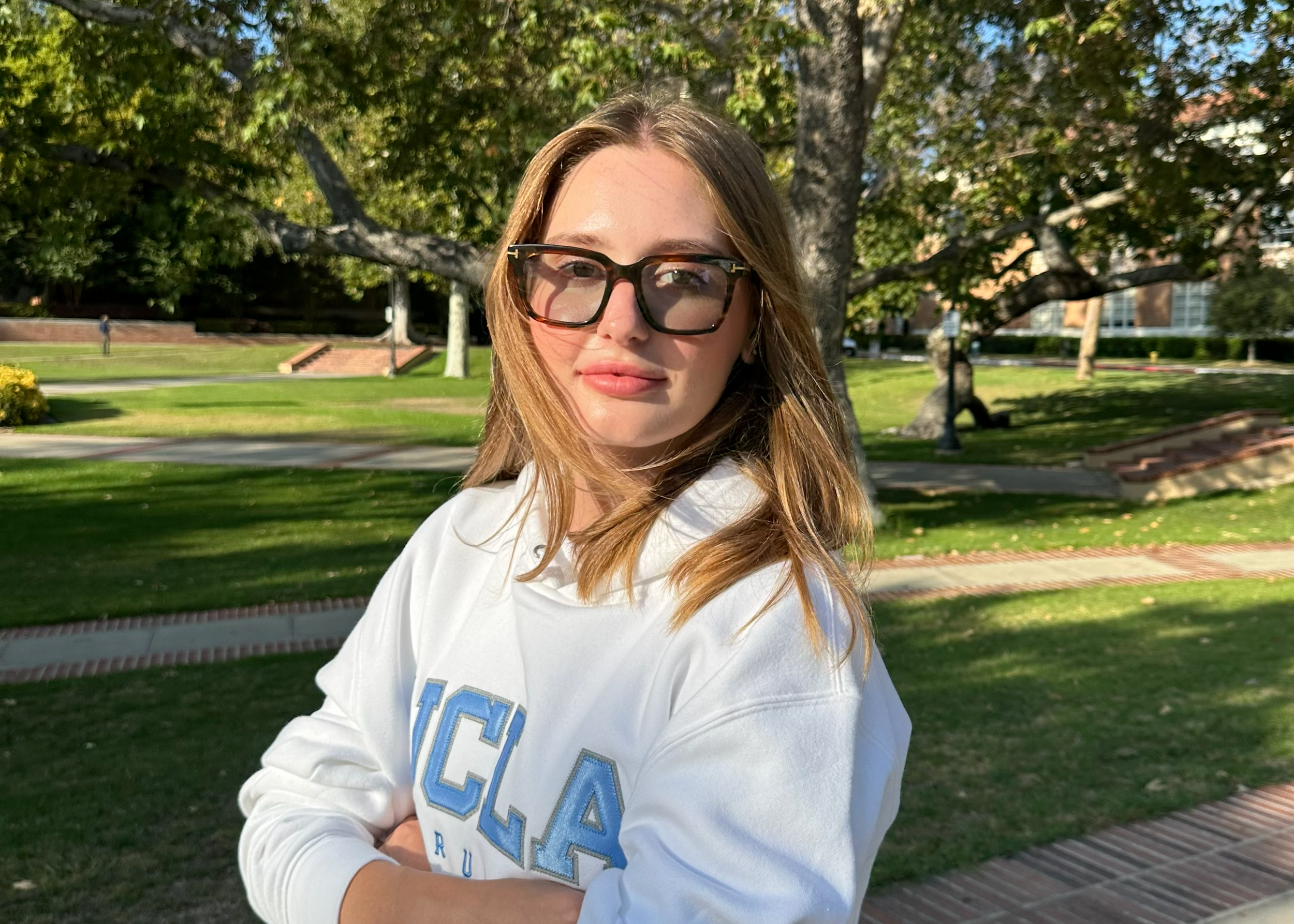
Who are you, and can you tell us about the pro bono project you have been working on?
My name is Kateryna Onyshchenko and I recently graduated from UCLA Law’s LL.M. program. As a member of the Promise Institute's Student Advisory Board, I contributed to a pro bono research project on the role of water in armed conflict, conducted in partnership with the UN Special rapporteur on the human rights to safe drinking water and sanitation and my case study focused on Ukraine. My research covered everything from the destruction of the Kakhovka Dam to the destruction of water infrastructure that has left millions without access to safe drinking water.
What first drew you to pro bono work, and what made you want to be involved with this project specifically?
Pro bono work is a chance to apply legal training to things that matter – provide legal services to those in need, shed light on basic human rights violations, or contribute to fighting impunity. This project, specifically, was impossible to pass up. How water infrastructure is targeted during the war in Ukraine is not an abstract legal question – it is something millions of Ukrainians live with every day. When I saw the opportunity to contribute research to the UN Special Rapporteur’s mandate and potentially inform future policy and accountability efforts, I knew this was where my skills and personal experience could make a difference.
Can you share a moment during your work on the project that challenged your perspective on law, justice, or advocacy?
Researching the destruction of the Kakhovka Dam changed how I think about what environmental crime means in practice. The flood affected over 230 square miles, almost half the size of Los Angeles, inundating more than 80 settlements, displacing thousands, and devastating ecosystems for years to come. Yet current legal frameworks struggle to capture deliberate environmental destruction on that scale during war. Working on this project reinforced my belief that the law must evolve and that anyone, starting from a law student, can have a role in pushing it forward.
What skills or insights have you gained through this experience that you feel will stay with you in your future career?
This was a powerful learning experience that strengthened my ability to work across disciplines, drawing on international humanitarian law, environmental law, human rights law, and even nuclear safety frameworks to tell a complete story about the role of water in armed conflict. Also, working alongside a team covering six different conflict zones showed me that similar patterns can be commonly found across vastly different political and military contexts. That comparative lens is something I’ll bring to every international law problem I encounter going forward.
For those graduating this semester: how has working on this project shaped the kind of lawyer or professional you hope to become, and what is next for you after graduation?
Working on this project showed me that accountability is built long before anyone enters a courtroom, through research, documentation, policy briefs, and relationships between advocates and decision-makers. It’s the smallest contributions, the ones that don’t feel decisive in the moment, that make justice possible. I’m leaving UCLA Law with clarity about the kind of lawyer I want to become and the tools to back it up. I’m excited about what’s ahead and I hope to carry every skill, insight, and lesson from this experience into my next chapter.
What would you say to other students who are considering joining a pro bono project for the first time?
Give it a try. UCLA Law offers a wide range of opportunities, so you can find a cause that’s close to your heart. Pro bono work gives you a sense of what the law looks like when it touches real lives in real time. You will learn things in a pro bono project that no casebook can teach you: how to work in a team under time pressure and how to communicate complex findings to people with no legal background. You might influence how the international community addresses modern challenges or become part of a solution to someone’s problem – all while you are still in law school.